Core Advantages GMS Delivers for Enterprise
GMS-ready devices outperform non-certified alternatives across four critical dimensions: security, manageability, app ecosystem, and developer integration.




Advantech's GMS-Ready Devices
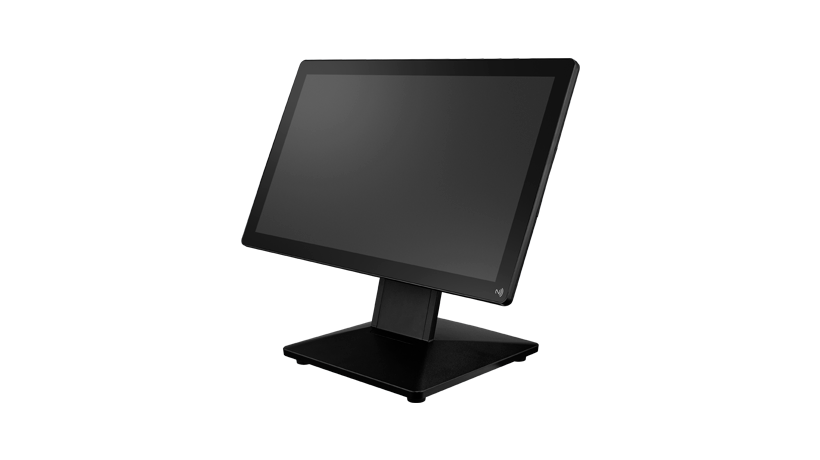
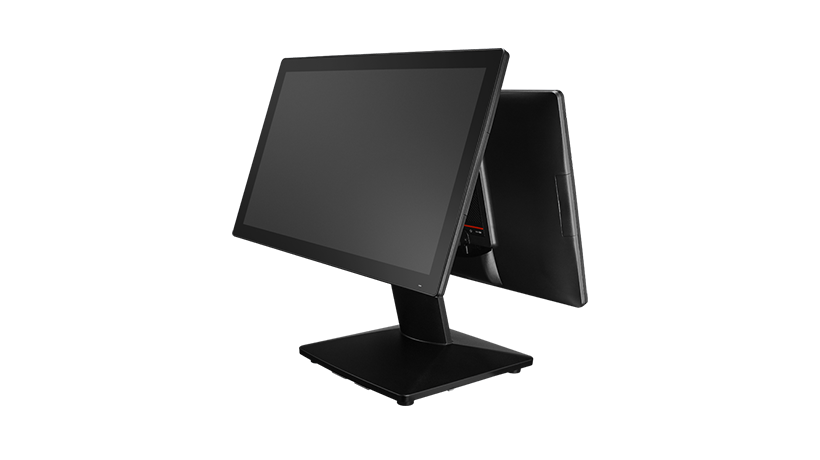
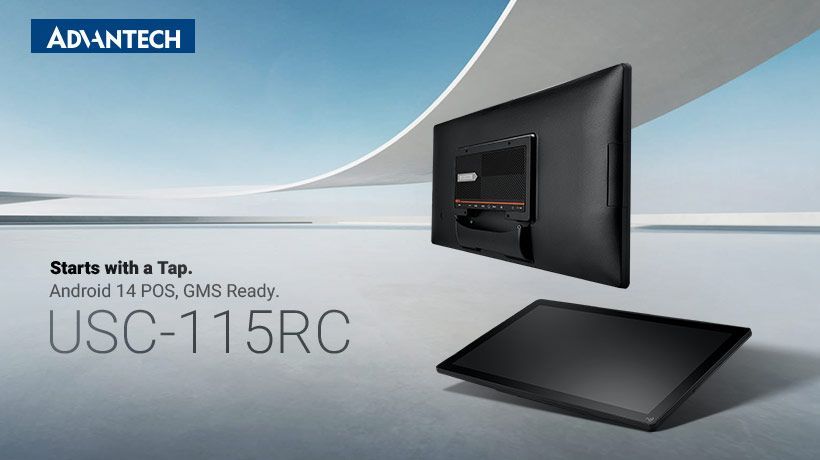
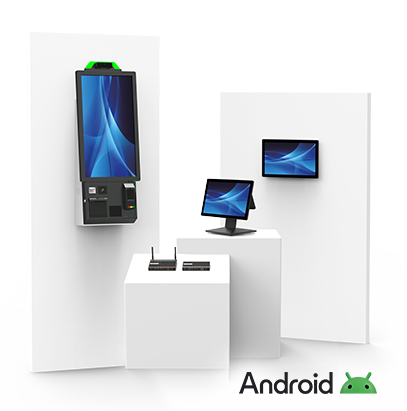
USC-115RC
POS Terminal
A compact Android™ 14 GMS‑ready ARM‑based AIO POS with modular peripherals and optional tap‑to‑pay support.
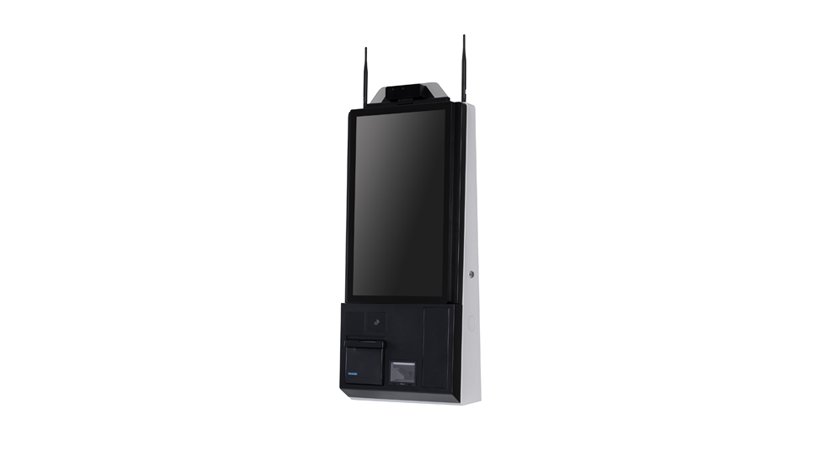
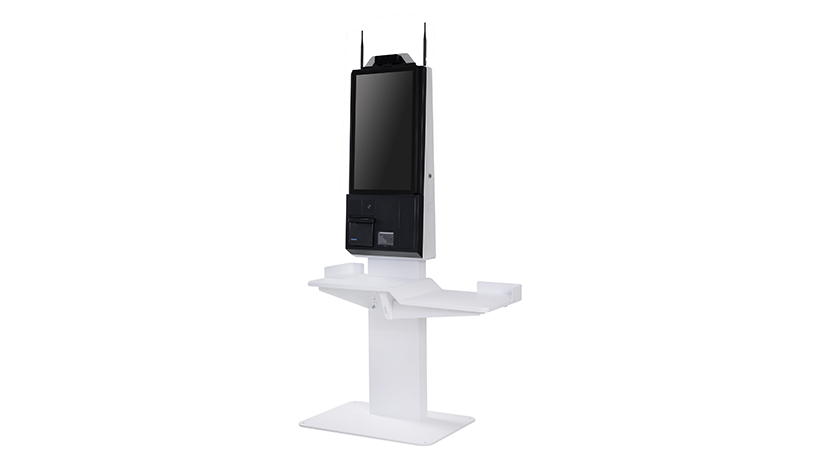
UTK-3000RC
Kiosk
A modular, GMS‑ready self-service kiosk designed for flexible deployment and easy maintenance.
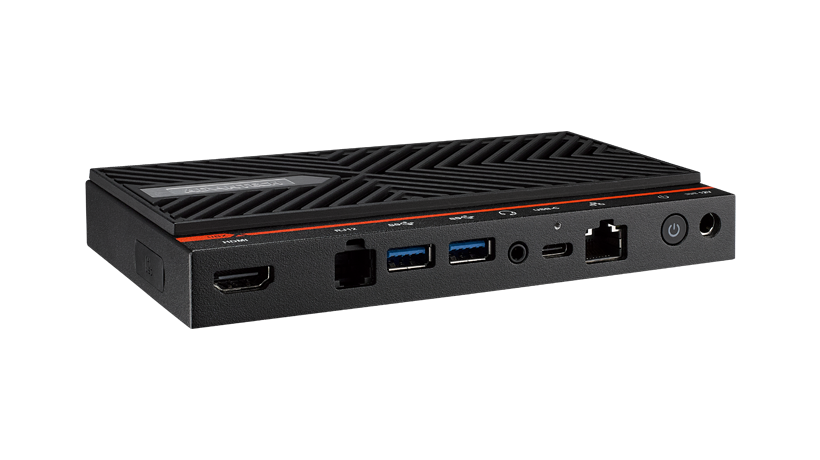
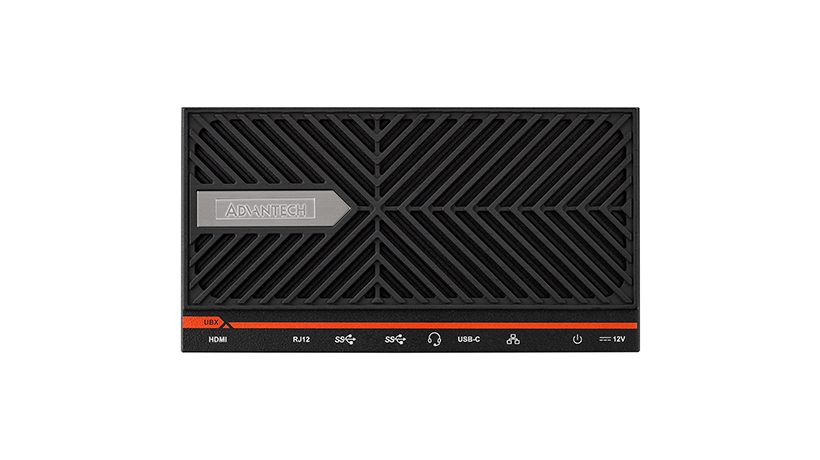
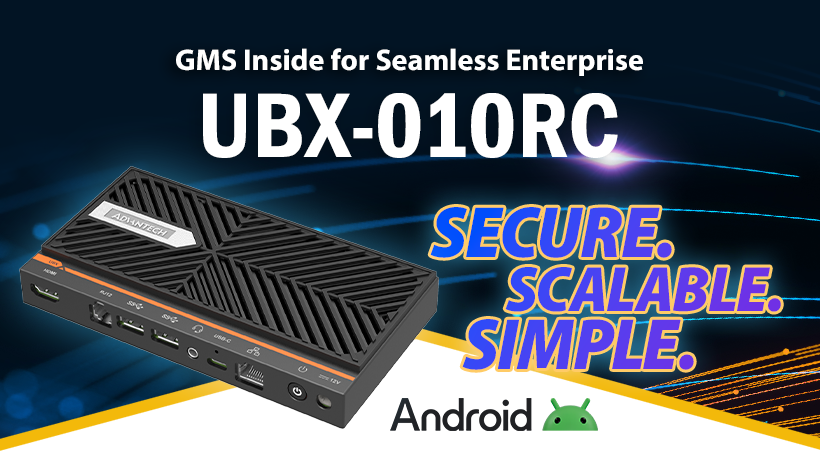
UBX-010RC
Edge Computer
A compact Android™ 14 GMS‑ready ARM‑based edge computer designed for smart retail and public service applications.
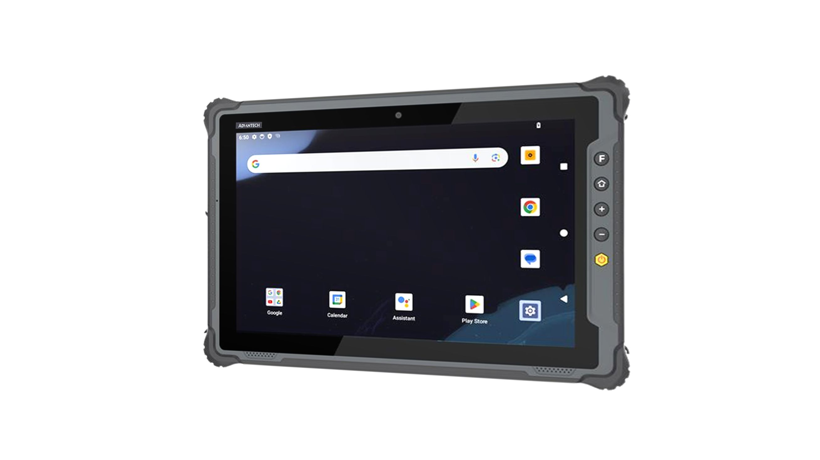
AIM-76S
Industrial Tablet
A rugged 10.1" GMS/AER-certified Android™ tablet designed for outstanding performance in warehousing, factory, and fleet logistics applications.
Why GMS Matters
for Payment Terminals?
Build payment solutions on a secure, certified Android platform.
GMS-enabled, Play Protect-certified devices combine Google security services with verified Android compatibility. Keep payment applications protected, compatible, and ready for reliable everyday operation.
FAQs
Does deploying GMS-certified hardware add cost or extend integration time?
No. GMS certification is completed by the manufacturer before shipping, so integrators only need to confirm the model is certified — no extra applications or waiting required. Choosing GMS-ready hardware from the start avoids the compatibility troubleshooting that comes with standard devices, keeping project timelines predictable.
What's the difference between GMS and standard Android (AOSP) devices, and why does it matter for SI projects?
Standard AOSP devices don't include Google services, so if a customer's app depends on Google Play or related APIs, the SI must handle compatibility and updates independently, without official Google support. GMS-certified devices pass Google's compatibility testing and reliably run apps distributed via Google Play — SoftPOS (Software Point of Sale), membership systems, payment SDKs, logistics integrations, and more — letting SIs cover a wider range of customer requirements with the same hardware, instead of re-validating a new solution for every project.
Why do POS and self-service kiosks need GMS certification, and how does that affect an SI's after-sales responsibility?
POS and kiosk devices handle transaction and customer data daily, so a compromised device becomes a security incident.
GMS-certified devices receive official Google security updates for at least 24 months post-launch, so SIs don't need to maintain patches independently and can confidently assure customers of ongoing manufacturer support — reducing the risk of added maintenance obligations mid-contract.
Does GMS make it easier to manage a large fleet of devices, and does it lower ongoing operating costs for the SI?
Yes. GMS-certified devices support remote device management (MDM), letting SIs configure, monitor, and push updates across a customer's entire fleet — across stores or regions — from a single console, without on-site visits. This lowers operating costs after project handover and makes it easier to meet contracted SLAs.